
Robotics and STEAM Learning: Unlocking Creativity Through Programming and Robotics

In today’s fast-evolving educational landscape, integrating robotics and STEAM learning has become essential. STEAM stands for Science, Technology, Engineering, Arts, and Mathematics, and it encourages a multidisciplinary approach to education. Robotics and programming are at the heart of this movement, offering students hands-on experiences that foster creativity, critical thinking, and problem-solving skills. This blog post explores how robotics and STEAM learning intersect, why they matter, and practical ways to incorporate them into educational settings.
The Role of Robotics in STEAM Learning
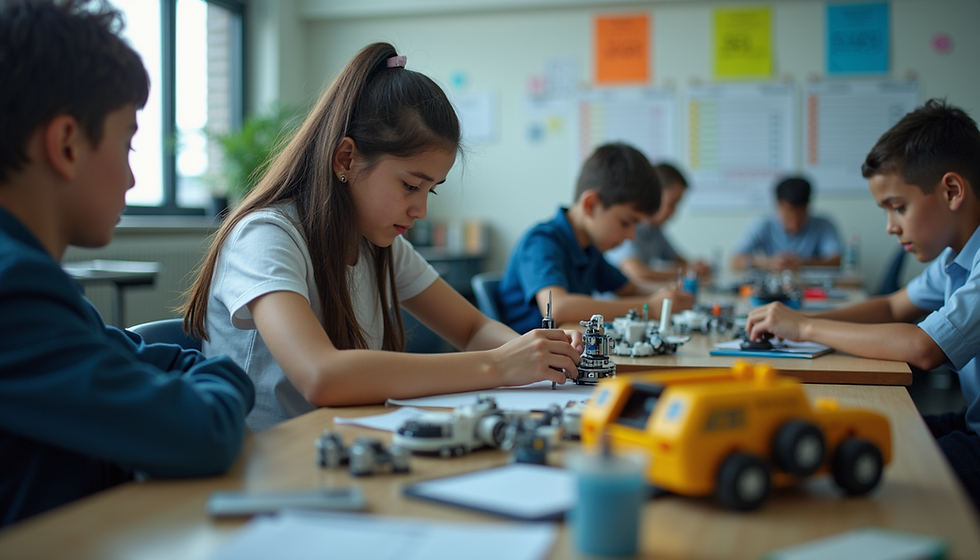
Robotics is a powerful tool in STEAM education because it combines multiple disciplines into one engaging activity. Students learn engineering concepts by building robots, apply technology through coding, and use mathematics to solve problems related to movement and sensors. The arts component encourages creativity in design and storytelling, making robotics a holistic learning experience.
For example, a classroom project might involve designing a robot that can navigate a maze. Students must plan the robot’s structure, write the code to control its movements, and test different strategies to improve performance. This process teaches perseverance and iterative learning, which are crucial skills in any field.
Benefits of Robotics in STEAM Education
Hands-on learning: Students engage directly with materials and technology.
Interdisciplinary skills: Robotics integrates science, math, and art.
Problem-solving: Students face real challenges that require creative solutions.
Collaboration: Many robotics projects encourage teamwork and communication.
Future readiness: Robotics skills are increasingly valuable in the job market.

How Robotics and STEAM Learning Enhance Critical Thinking
Critical thinking is a cornerstone of STEAM education, and robotics provides an ideal platform to develop this skill. When students program robots, they must anticipate how their code will affect the robot’s behavior. Debugging code and troubleshooting mechanical issues require logical reasoning and analytical thinking.
For instance, if a robot fails to follow a programmed path, students need to analyze the problem, hypothesize potential causes, and test solutions. This iterative process mirrors real-world engineering and scientific methods, making learning authentic and meaningful.
Practical Tips for Educators
Encourage students to document their design and coding process.
Use open-ended challenges that allow multiple solutions.
Promote reflection by asking students what worked and what didn’t.
Integrate arts by having students customize their robots’ appearance or create stories around their projects.

Integrating Programming and Robotics into the Curriculum
Incorporating programming and robotics into the curriculum can seem daunting, but with the right approach, it becomes manageable and rewarding. Start by selecting age-appropriate tools and platforms. For younger students, block-based coding environments like Scratch or Blockly paired with simple robot kits are ideal. Older students can advance to text-based programming languages such as Python or C++.
Steps to Get Started
Assess resources: Identify available hardware, software, and teacher expertise.
Set clear objectives: Define what skills and knowledge students should gain.
Start small: Begin with simple projects that build foundational skills.
Provide support: Offer tutorials, guides, and peer collaboration opportunities.
Evaluate and iterate: Collect feedback and adjust lessons to improve engagement and learning outcomes.
By embedding programming and robotics into existing subjects like math or science, educators can create interdisciplinary lessons that reinforce multiple concepts simultaneously.
The Impact of Robotics on Creativity and Innovation
Robotics in STEAM education is not just about technical skills; it also nurtures creativity and innovation. Designing robots requires imaginative thinking to solve problems in unique ways. Students experiment with different materials, shapes, and functions, which encourages out-of-the-box ideas.
Moreover, robotics competitions and exhibitions provide platforms for students to showcase their innovations. These events inspire motivation and a sense of accomplishment, fueling further interest in STEAM fields.
Encouraging Creative Exploration
Allow students to personalize their robots with colors and decorations.
Challenge students to invent robots that address real-world problems.
Incorporate storytelling by having students explain their robot’s purpose and design.
Use arts integration to explore aesthetics and user experience.
Preparing Students for the Future Workforce
The skills gained through robotics and STEAM learning are highly relevant to the future workforce. As automation and artificial intelligence reshape industries, understanding robotics and programming becomes increasingly important. Students who engage with these technologies early develop a competitive edge.
Employers value skills such as critical thinking, collaboration, and adaptability—all of which are cultivated through robotics projects. Furthermore, exposure to STEAM fields can inspire students to pursue careers in engineering, computer science, design, and more.
Recommendations for Schools and Parents
Invest in robotics kits and programming software.
Encourage participation in robotics clubs and competitions.
Support professional development for teachers in STEAM education.
Foster a growth mindset by celebrating effort and learning from failure.
By prioritizing robotics and STEAM learning, educational institutions can equip students with the tools they need to thrive in a technology-driven world.
Robotics and STEAM learning open doors to endless possibilities for students. Through hands-on projects, critical thinking challenges, and creative exploration, learners develop essential skills that prepare them for future success. Embracing programming and robotics in education is not just a trend—it is a vital step toward nurturing the innovators and problem solvers of tomorrow.

Comments