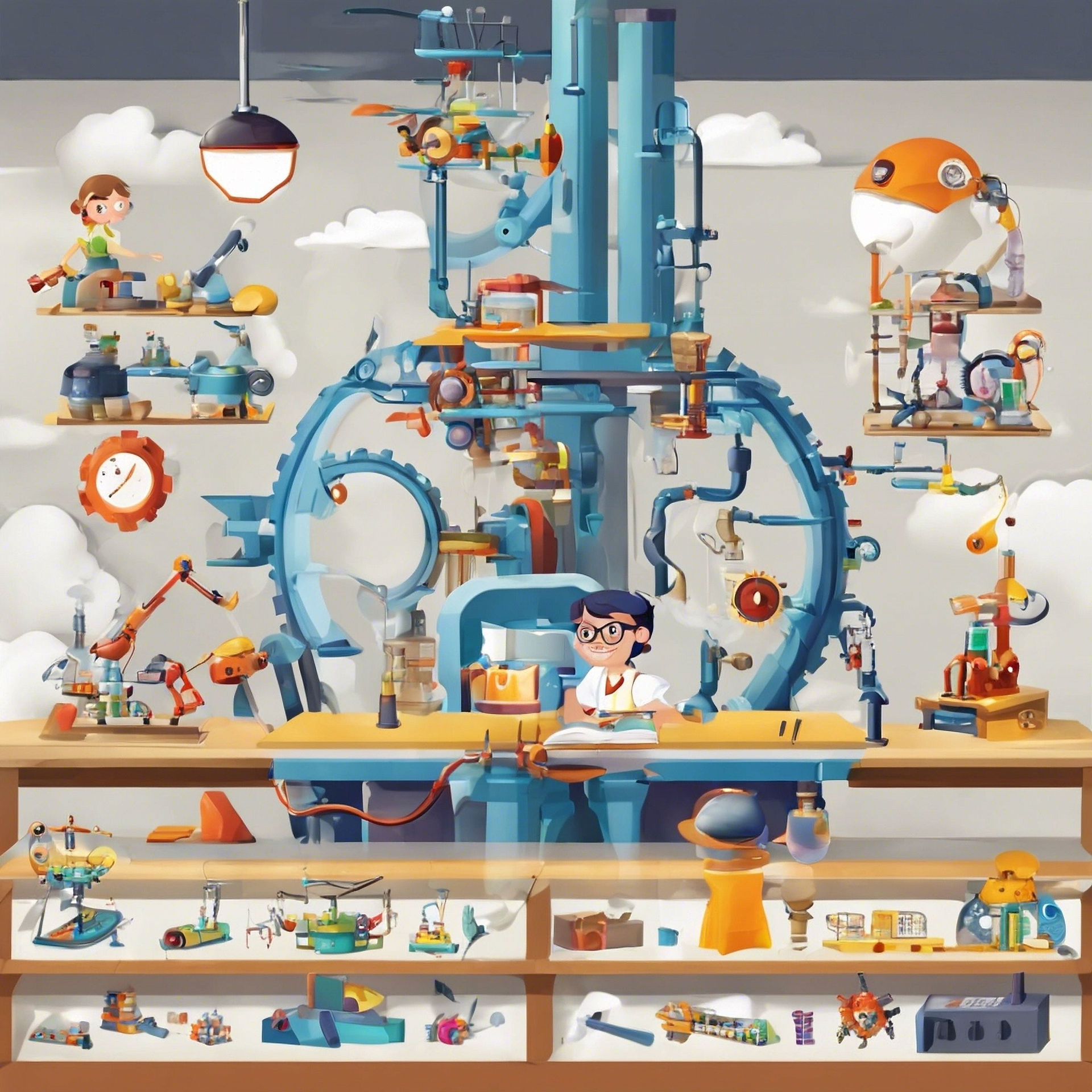

Unveiling the Impact of STEAM Education in Sri Lanka

Sri Lanka is rapidly evolving in its approach to education, recognizing the need to equip students with skills that match the demands of the 21st century. One of the most promising educational frameworks gaining traction is STEAM education. This approach integrates Science, Technology, Engineering, Arts, and Mathematics to foster creativity, critical thinking, and problem-solving skills. As the world moves towards a knowledge-based economy, Sri Lanka’s focus on future skills development through STEAM education is becoming increasingly vital.
The Role of STEAM in Future Skills Development in Sri Lanka
Future skills development is essential for preparing students to thrive in a dynamic global environment. STEAM education plays a pivotal role in this by encouraging interdisciplinary learning. Instead of teaching subjects in isolation, STEAM connects them, allowing students to see real-world applications.
For example, a project might involve designing a sustainable water filtration system. Students would apply scientific principles, use technology to create prototypes, engineer solutions, incorporate artistic design for usability, and use math to calculate efficiency. This holistic approach nurtures skills such as:
Creativity and innovation
Analytical thinking
Collaboration and communication
Adaptability and resilience
In Sri Lanka, where industries like IT, manufacturing, and creative arts are growing, these skills are crucial. Schools and educational institutions are beginning to adopt STEAM curricula to align with these economic trends.

Integrating STEAM Education into Sri Lanka’s Curriculum
Integrating STEAM education into the existing curriculum requires thoughtful planning and resources. Sri Lanka’s Ministry of Education has initiated several pilot programs to introduce STEAM concepts in schools. These programs focus on hands-on learning, encouraging students to experiment and explore.
Teachers receive specialized training to facilitate STEAM activities effectively. For instance, they learn how to guide students through design thinking processes and use digital tools to enhance learning. Schools are also partnering with local industries and universities to provide mentorship and real-world exposure.
Practical steps for successful integration include:
Curriculum redesign to include interdisciplinary projects.
Teacher training focused on STEAM methodologies.
Investment in infrastructure such as labs and maker spaces.
Community involvement to support learning beyond the classroom.
This approach not only improves academic outcomes but also motivates students by making learning relevant and exciting.

Why is STEAM Good for Education?
STEAM education offers numerous benefits that traditional education models may not fully provide. It encourages students to think critically and creatively, preparing them for complex problem-solving in real life. Here are some key reasons why STEAM is good for education:
Enhances Engagement: By involving arts alongside sciences, STEAM makes learning more engaging and accessible to diverse learners.
Builds Future-Ready Skills: It equips students with skills like coding, design thinking, and data analysis, which are essential in the modern workforce.
Promotes Equity: STEAM initiatives often focus on inclusivity, encouraging participation from underrepresented groups, including girls and rural students.
Encourages Lifelong Learning: The interdisciplinary nature fosters curiosity and a love for learning beyond exams.
In Sri Lanka, where education has traditionally been exam-focused, STEAM offers a refreshing shift towards experiential learning. This shift is crucial for nurturing innovators and entrepreneurs who can contribute to the country’s development.
Practical Examples of STEAM Success in Sri Lanka
Several schools and organizations in Sri Lanka have successfully implemented STEAM projects that demonstrate its impact. For example, a school in Colombo launched a robotics club where students designed automated irrigation systems to help local farmers. This project combined technology, engineering, and environmental science, showing how STEAM can address community challenges.
Another example is a partnership between a university and a local art center to develop digital art workshops. Students learned graphic design and animation, blending technology with creativity. These skills opened new career pathways in digital media and entertainment.
To replicate such successes, schools can:
Collaborate with local businesses for project ideas and resources.
Encourage student-led initiatives that solve real problems.
Use competitions and exhibitions to showcase student work and build confidence.
These examples highlight how STEAM education can be a catalyst for innovation and social impact in Sri Lanka.

Moving Forward: Embracing STEAM for a Brighter Future
The future of education in Sri Lanka lies in embracing innovative approaches like STEAM. By fostering a culture of creativity, critical thinking, and collaboration, the country can prepare its youth for the challenges and opportunities ahead.
To maximize the benefits of STEAM education, stakeholders must:
Increase funding for STEAM programs and infrastructure.
Expand teacher training to cover new pedagogical methods.
Promote awareness among parents and communities about the value of STEAM.
Leverage technology to reach remote and underserved areas.
By doing so, Sri Lanka can build a workforce equipped with the skills needed for sustainable economic growth and global competitiveness.
For those interested in learning more about how STEAM education is transforming Sri Lanka, visiting steam education offers valuable insights and resources.
The journey towards integrating STEAM education is ongoing, but its potential to revolutionize learning and future skills development in Sri Lanka is undeniable. Embracing this change will empower the next generation to innovate, create, and lead with confidence.


Comments